XTND™-DIRECT
Long-range MANET Basestation
2x2 MIMO Private Networking
Doodle Labs Mesh Rider® Radio
ISM or Helix frequency bands
Easy-to-integrate Data and PoE

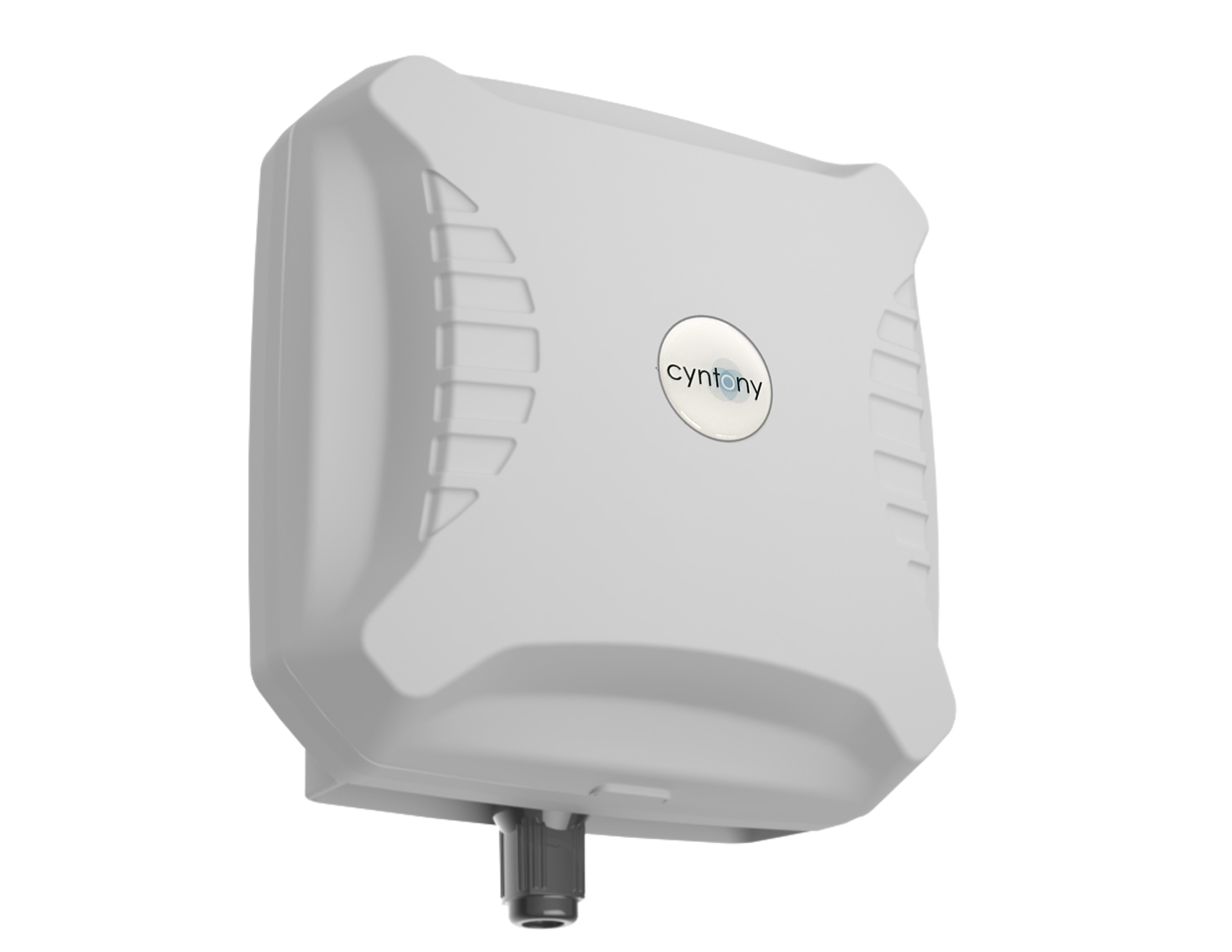
Long-range MANET Basestation
2x2 MIMO Private Networking
Doodle Labs Mesh Rider® Radio
ISM or Helix frequency bands
Easy-to-integrate Data and PoE
Download our Antenna Buyer's Guide to discover the essential specs and features to look out for while finding the perfect antenna for your project.
Search with confidence and efficiency.
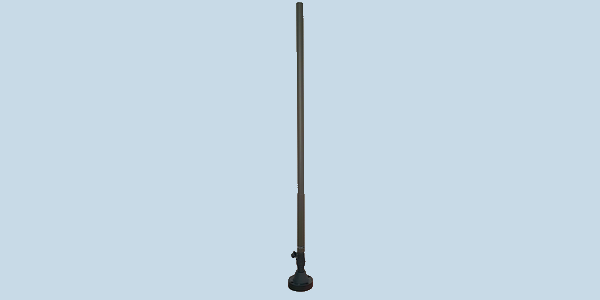
The AD-23/35-4-M is a rugged mobile collinear dipole antenna covering the 820 to 940 MHz UHF frequency range. Designed for heavy-duty mobile applications, it features a ground-plane independent architecture and offers an optional integrated active GPS antenna.
Optimized for heavy-duty vehicle communication platforms operating within the 820 to 940 MHz UHF band. The ground-plane independent design allows for versatile placement across different vehicle types without relying on the mounting surface to form a counterpoise.
Engineered for demanding outdoor mobile environments. The antenna utilizes a stainless steel biconical spring at its base to absorb severe mechanical shocks and vibrations, while the composite tube construction provides robust resistance to atmospheric conditions.
The system is constructed in two primary sections: the radiating element and the shock-absorbing base. The base utilizes a four-hole mounting arrangement positioned on a 4.5-inch (114.3 mm) circle.
The base conforms to NATO-standard mounting dimensions. Verify the required RF connector types and cable routing specifications for both the UHF and optional GPS feeds with the manufacturer.
A short technical video demonstrating the mechanical flexibility and impact resistance of the biconical spring base during simulated vehicle transit would strongly support the ruggedness claims of this product.
HOW TO BUY
To obtain price and delivery information about this product, click the button below.


