XTND™-DIRECT
Long-range MANET Basestation
2x2 MIMO Private Networking
Doodle Labs Mesh Rider® Radio
ISM or Helix frequency bands
Easy-to-integrate Data and PoE

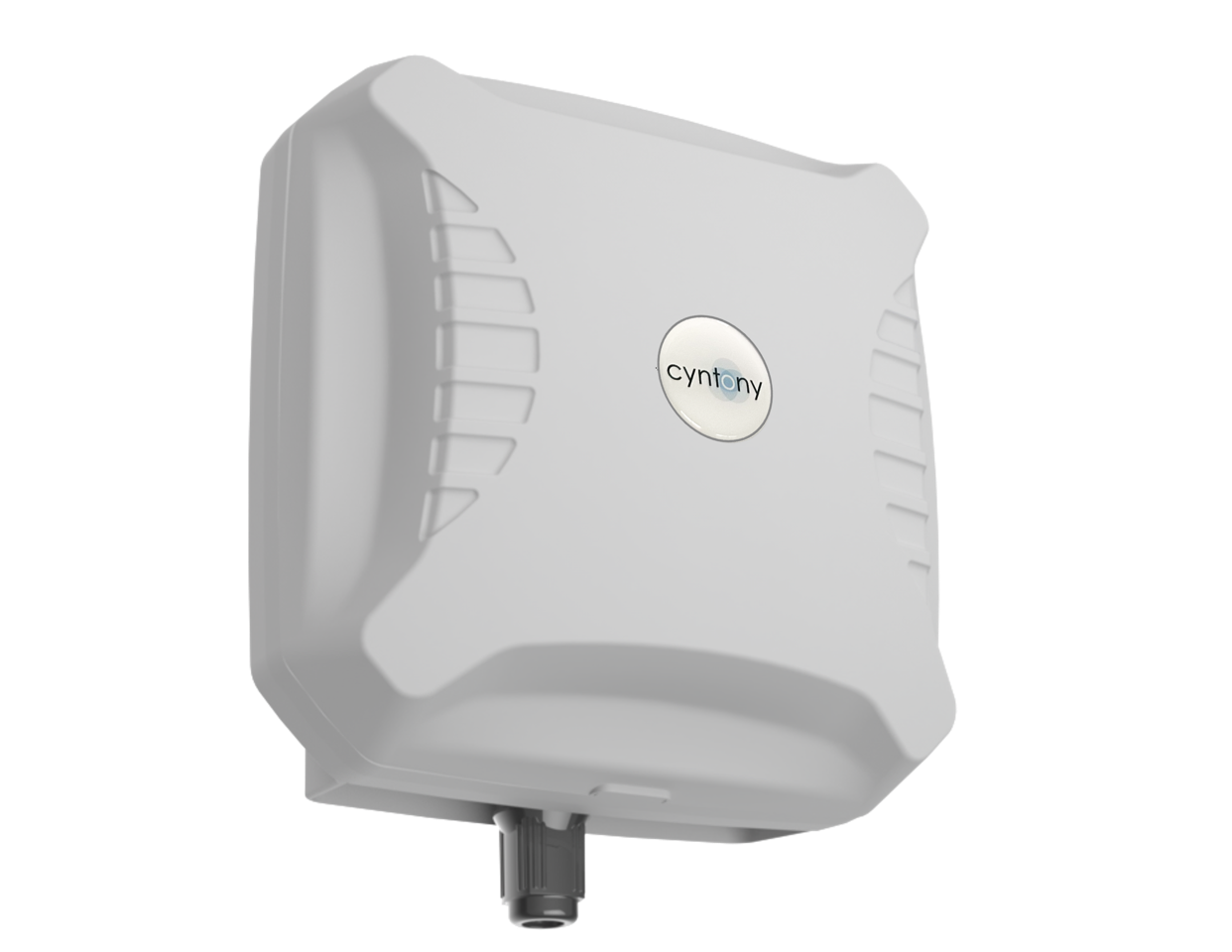
Long-range MANET Basestation
2x2 MIMO Private Networking
Doodle Labs Mesh Rider® Radio
ISM or Helix frequency bands
Easy-to-integrate Data and PoE
Download our Antenna Buyer's Guide to discover the essential specs and features to look out for while finding the perfect antenna for your project.
Search with confidence and efficiency.
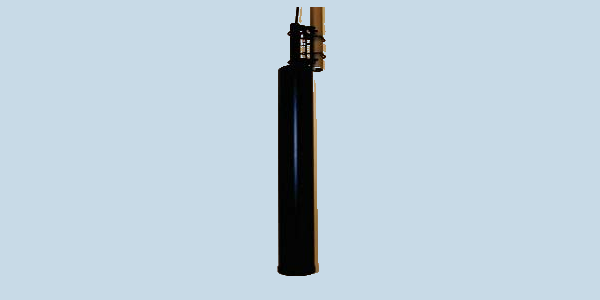
The TRIVAL AD-10/A is a robust, wideband vertical dipole antenna engineered for stationary applications. It offers broad frequency coverage from 225 MHz to 2000 MHz, making it suitable for diverse communication and monitoring needs. Its durable epoxy-glass composite construction ensures environmental protection and consistent performance.
The TRIVAL AD-10/A is a wideband vertical dipole antenna with a frequency range of 225 MHz to 2000 MHz. It is constructed with all elements enclosed in an epoxy-glass composite tube for durability. Electrically, it features a constant vertical radiation diagram across its operating band. Key technical specifications include a maximum power handling of 500 W CW, a VSWR of less than 2, and a gain range of -2 to +2 dBi. The antenna includes a built-in 1-meter coaxial cable terminated with an N-female connector.
This antenna is designed for stationary deployment in various communication and monitoring scenarios. Its wideband nature makes it versatile for applications requiring coverage across VHF, UHF, and L-band frequencies. Potential uses include fixed-site communication, signal intelligence, and general RF monitoring stations where broad frequency reception and transmission are critical.
The TRIVAL AD-10/A is suitable for fixed-site installations. Its durable epoxy-glass composite construction provides excellent protection against environmental factors, making it appropriate for outdoor and exposed locations. It is designed for mounting on masts with diameters up to 60 mm (2 inches) using its specialized mounting tube and console adapter.
| Characteristic | Value |
|---|---|
| Frequency Range | 225 MHz to 2000 MHz |
| Maximum Power Handling | 500 W CW |
| VSWR | < 2 |
| Gain | -2 to +2 dBi |
| Polarization | Vertical |
| Output Connector | N-female (on 1-meter coaxial cable) |
The TRIVAL AD-10/A is designed for stationary setup. Installation involves mounting the antenna onto a mast using the integrated specialized mounting tube with a console adapter, which accommodates mast diameters up to 60 mm (2 inches). The antenna includes a built-in 1-meter coaxial cable terminated with an N-female connector, simplifying connection to RF equipment.
The antenna features a 1-meter coaxial cable terminated with an N-female connector, allowing for direct connection to N-male compatible RF systems and cables. It is compatible with masts or poles having a diameter of up to 60 mm (2 inches) for secure mounting.
What factors should be considered when selecting an omnidirectional antenna?
When selecting an omnidirectional antenna, important considerations include whether it is for receive-only or transmitting applications, the required power handling, the mounting platform (e.g., fixed site, vehicle), the frequency of operation, and the maximum VSWR the transmitter can tolerate. The reviewed product data lists the TRIVAL AD-10/A as suitable for fixed-site applications, operating from 225 MHz to 2000 MHz, and capable of handling up to 500 W CW with a VSWR of less than 2.
How is gain generally characterized for omnidirectional antennas?
Omnidirectional gains are typically about 0 to 2 dBi within 20 degrees above and below the horizon for antennas of standard dimensions. Some wideband omnidirectional antennas can exhibit lower gain at the low end of their frequency range. High-gain omnidirectional antennas can achieve 4 to 8 dBi, but this often results in radiation patterns compressed to ten degrees or less above and below the horizon. The reviewed product data identifies the TRIVAL AD-10/A with a gain range of -2 to +2 dBi.
What is the typical difference between a monopole and a dipole omnidirectional antenna for deployment?
For tactical communication systems, handheld and manpack radios typically use monopoles, while fixed-site and portable applications commonly utilize dipoles. The reviewed product data specifies the TRIVAL AD-10/A as a vertical dipole antenna, aligning with common practices for fixed-site deployments.
HOW TO BUY
To obtain price and delivery information about this product, click the button below.

.svg)


