XTND™-DIRECT
Long-range MANET Basestation
2x2 MIMO Private Networking
Doodle Labs Mesh Rider® Radio
ISM or Helix frequency bands
Easy-to-integrate Data and PoE

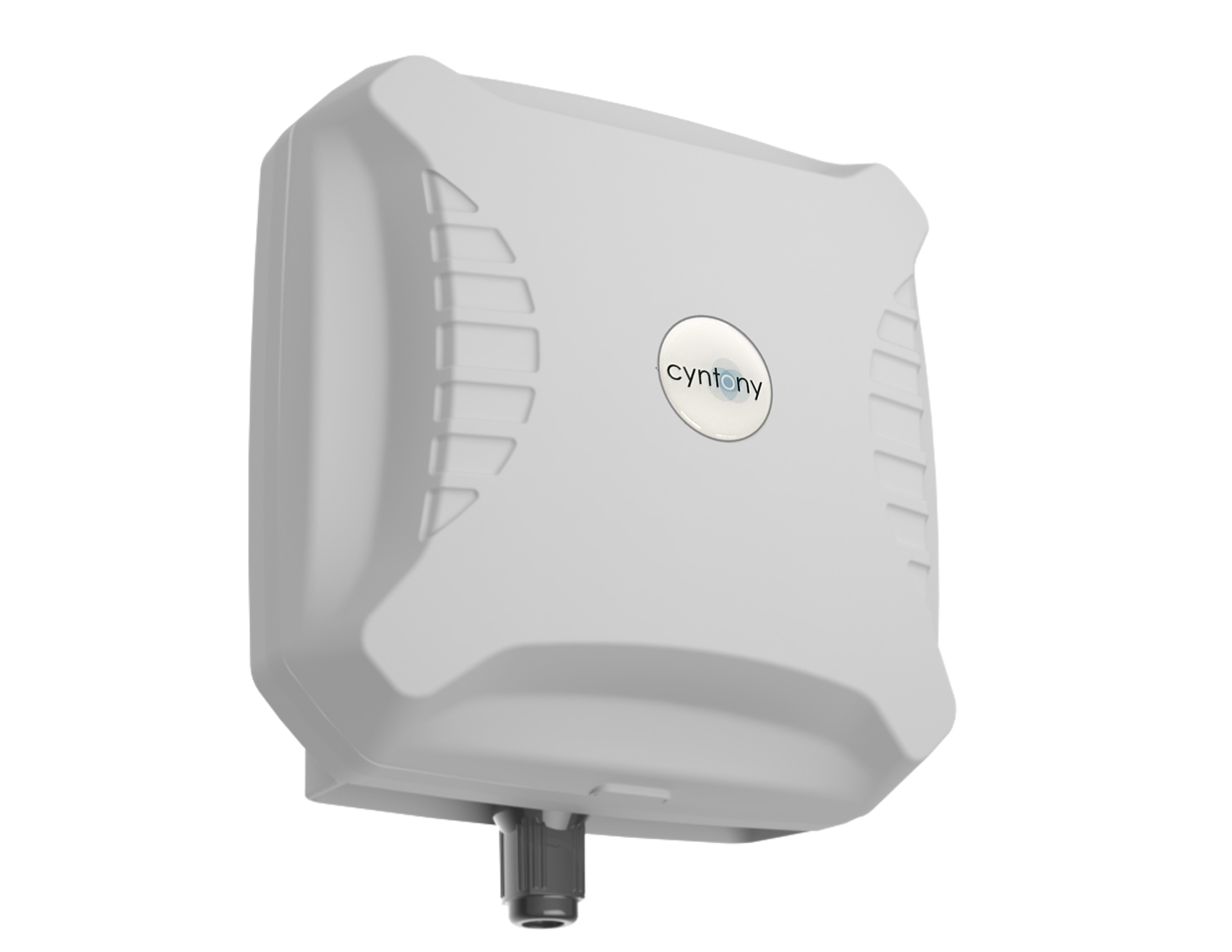
Long-range MANET Basestation
2x2 MIMO Private Networking
Doodle Labs Mesh Rider® Radio
ISM or Helix frequency bands
Easy-to-integrate Data and PoE
Download our Antenna Buyer's Guide to discover the essential specs and features to look out for while finding the perfect antenna for your project.
Search with confidence and efficiency.

The AD-18/G-2210 is an ultra wideband dipole mobile antenna operating in the 225 to 1000 MHz frequency range. Designed for heavy-duty mobile applications, it features a ruggedized construction and an optional integrated active GPS L1 patch antenna for positioning capabilities.
Primarily intended for heavy-duty vehicle and mobile applications requiring ultra wideband communications across VHF and UHF frequencies. The optional active GPS model supports platforms needing consolidated communication and location-tracking hardware.
Built to withstand demanding mechanical environments, the antenna base includes a built-in biconical stainless steel spring to absorb shocks and vibrations. The exterior is finished in UV-resistant military green polyurethane paint to endure harsh outdoor exposure.
Because it is electrically designed as a center-fed dipole, the antenna maintains its electrical characteristics independently of the mounting location or the presence of a ground plane.
The antenna consists of two main parts: a composite base and a 28 mm diameter fiberglass whip containing the radiating elements. The base mounts using four equally spaced holes arranged on a standard NATO 4.5-inch (114.3 mm) circle.
Compatible with standard NATO 4.5-inch (114.3 mm) mounting platforms. The ground-plane independent design allows for versatile placement across various structural surfaces without requiring a metal chassis counterpoise.
HOW TO BUY
To obtain price and delivery information about this product, click the button below.


