XTND™-DIRECT
Long-range MANET Basestation
2x2 MIMO Private Networking
Doodle Labs Mesh Rider® Radio
ISM or Helix frequency bands
Easy-to-integrate Data and PoE

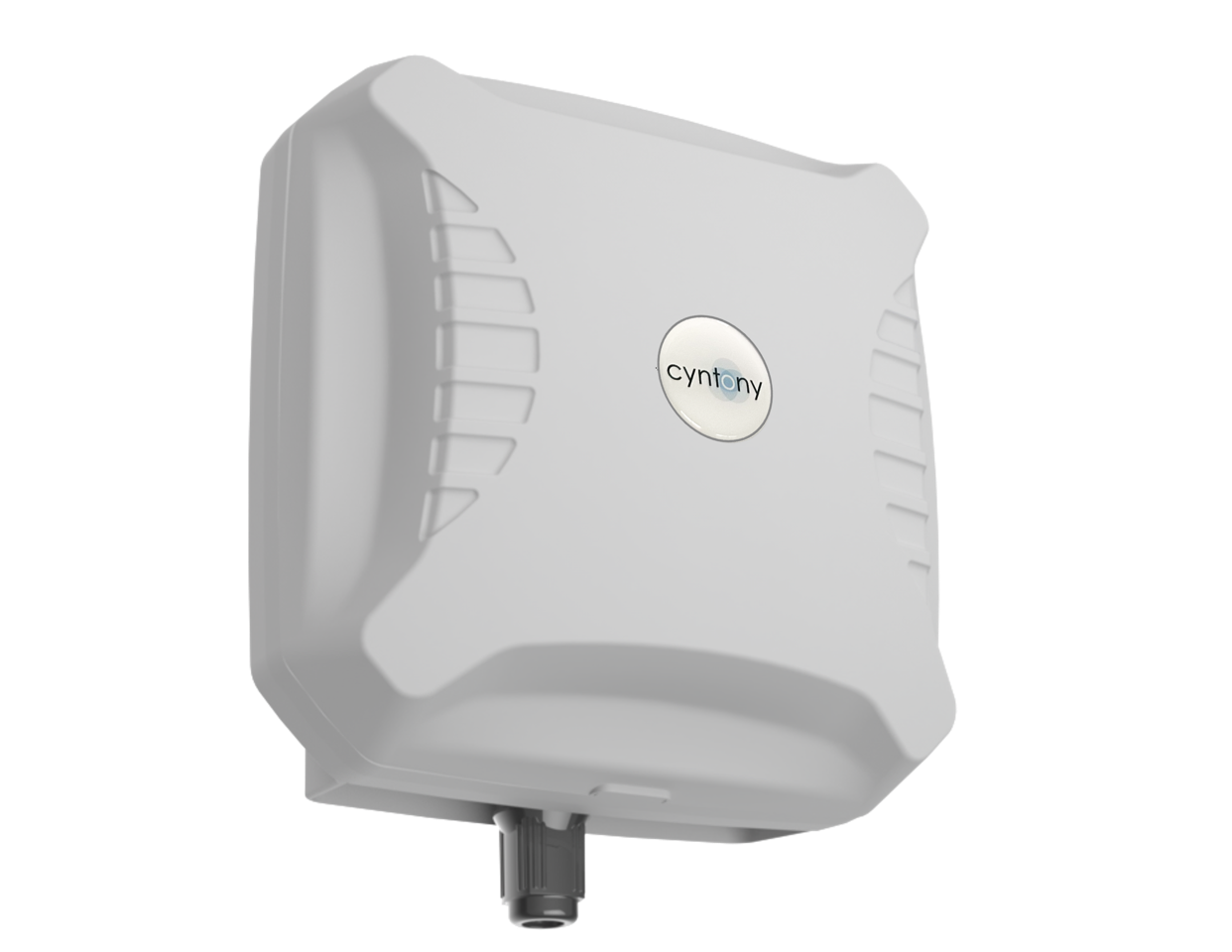
Long-range MANET Basestation
2x2 MIMO Private Networking
Doodle Labs Mesh Rider® Radio
ISM or Helix frequency bands
Easy-to-integrate Data and PoE
Download our Antenna Buyer's Guide to discover the essential specs and features to look out for while finding the perfect antenna for your project.
Search with confidence and efficiency.
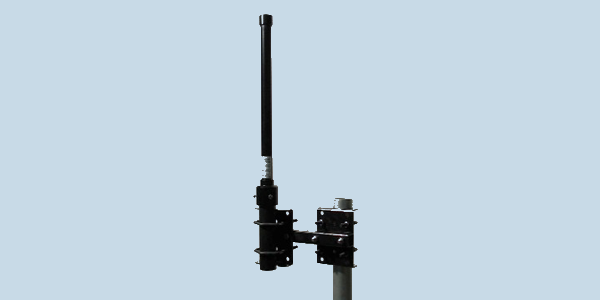
The Trival Antene AD-12/G is a wideband dipole antenna designed for reliable performance across the 420 to 520 MHz frequency range. Engineered for versatility, it supports both stationary and portable operational environments. Its robust construction features grounded metal parts enclosed within a durable epoxy-glass composite tube, ensuring excellent resistance to atmospheric elements and a long operational lifespan.
This wideband dipole antenna is suitable for a broad range of applications, specifically designed to function effectively in both:
The AD-12/G is built for resilience in various conditions:
| Characteristic | Value |
|---|---|
| Frequency Range | 420 – 520 MHz |
| Gain | 0 – 2 dBi |
| VSWR | < 1.8 |
| Maximum Power | 100 W CW |
| Polarization | Vertical |
The AD-12/G offers straightforward setup and portability:
The AD-12/G antenna provides flexible mounting compatibility:
For omnidirectional antennas, general guidance indicates gains are typically about 0 to 2 dBi within 20 degrees above and below the horizon for antennas of standard dimensions like a half-wavelength dipole. The reviewed product data lists a gain of 0-2 dBi, aligning with this characteristic. (Source IDs: src-75fee6bf4644d22b)
General guidance for selecting an omnidirectional antenna involves several key questions. These include determining if the antenna is for receive-only or transmitting (and at what power levels), the specific platform it will mount to (e.g., handheld, manpack, vehicle, fixed site, portable), the frequency of operation, the maximum continuous power the transmitter will output, and the maximum VSWR the transmitter can tolerate. (Source IDs: src-af02a1f4d46a9891, src-75fee6bf4644d22b)
General guidance suggests that the radiation pattern describes how an antenna radiates or receives energy and is critical for covering the intended area. For a linearly polarized antenna with dipole-like characteristics and vertical polarization, there are typically nulls to the zenith and nadir, with maximum gain occurring on bore, perpendicular to the antenna face, at the horizon. (Source IDs: src-639ec09cb3460302)
In general, tactical communication systems often utilize dipoles for fixed site and portable applications. The choice between a dipole or monopole depends on the concept of operations, co-siting with other antennas, and the platform's ability to provide a suitable counterpoise. (Source IDs: src-af02a1f4d46a9891)
HOW TO BUY
To obtain price and delivery information about this product, click the button below.

.svg)


