XTND™-DIRECT
Long-range MANET Basestation
2x2 MIMO Private Networking
Doodle Labs Mesh Rider® Radio
ISM or Helix frequency bands
Easy-to-integrate Data and PoE

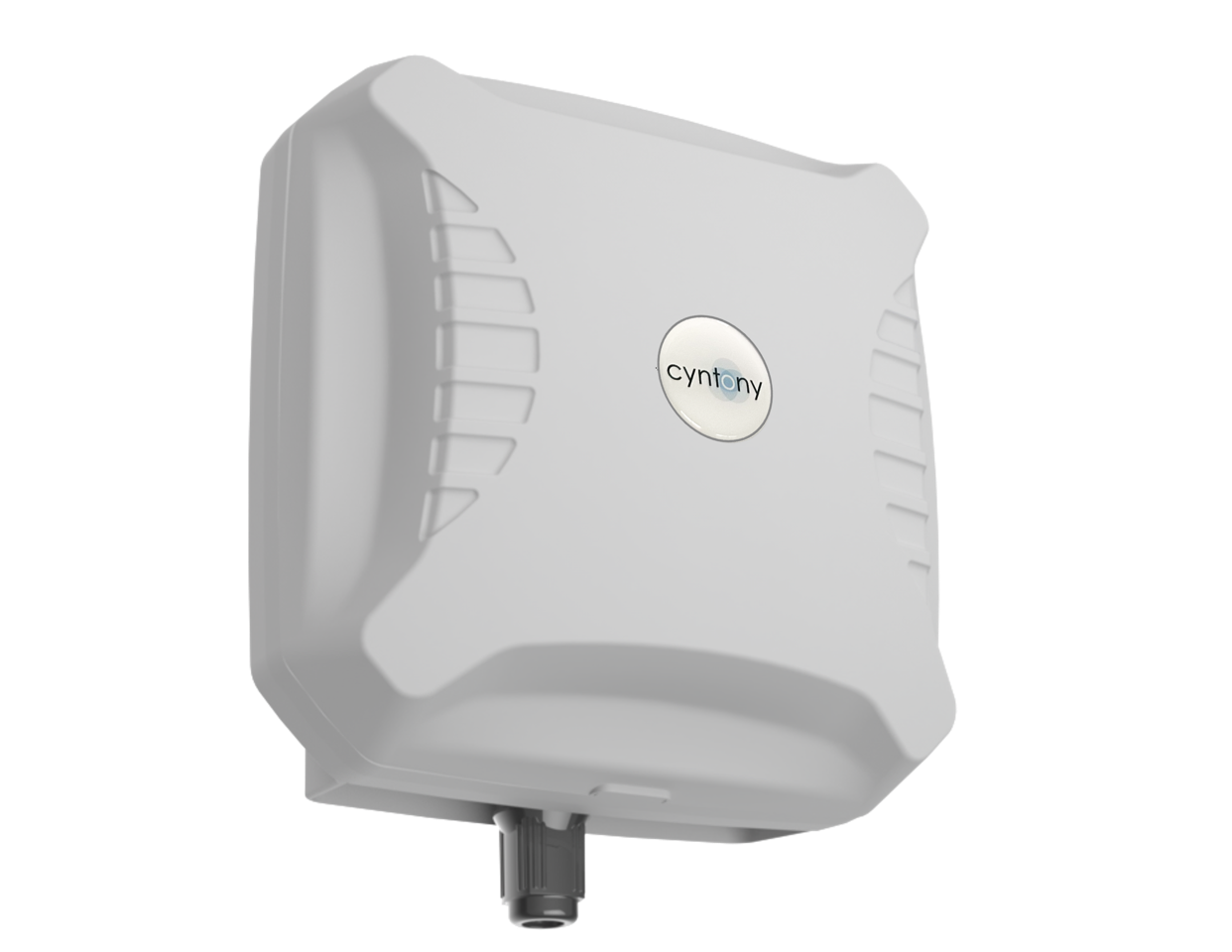
Long-range MANET Basestation
2x2 MIMO Private Networking
Doodle Labs Mesh Rider® Radio
ISM or Helix frequency bands
Easy-to-integrate Data and PoE
Download our Antenna Buyer's Guide to discover the essential specs and features to look out for while finding the perfect antenna for your project.
Search with confidence and efficiency.
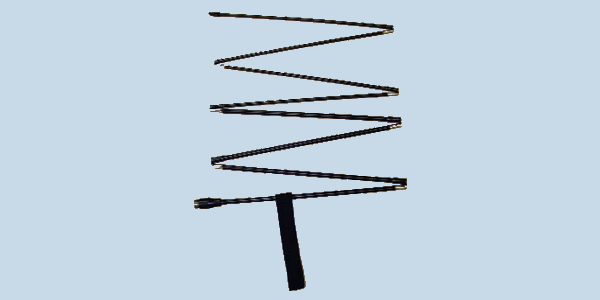
The AD-26/C is a family of rapidly deployable VHF whip antennas designed for portable and manpack radios operating in the 30-90 MHz frequency band. Its key feature is a sectional construction using thin-wall stainless steel tubes connected by an internal elastic cord, allowing for deployment in seconds. An optional gooseneck version (AD-26/C-GN) is available to ensure the antenna remains vertical for optimal performance, regardless of the radio's orientation.
| Frequency Range | 30 – 90 MHz |
| Frequency Band | VHF |
| Application | Manpack, Portable Tactical Communications |
| Construction | Sectional, thin-wall stainless steel with internal elastic rope |
| Deployment | Rapid, self-assembling |
| Available Heights | Up to 3.22 meters |
| Connector Options | Multiple thread options available |
| Finish | MIL Green radiator, black gooseneck |
Designed for dismounted infantry and tactical field use, the AD-26/C is built to withstand harsh operational environments. Its stainless steel construction and MIL Green finish make it suitable for deployment in various climates and terrains where durability and low visibility are required.
The AD-26/C is engineered for maximum portability and rapid field use. Its sectional design allows it to be collapsed into a compact form, secured with the included grip tape for easy storage in a pack. For setup, the internal elastic rope automatically pulls the stainless steel sections into place, ensuring a solid electrical connection and enabling full deployment in just a few seconds without any tools.
This antenna family is compatible with a wide range of portable and manpack tactical radios that operate within the 30 to 90 MHz VHF band. It is offered with multiple thread connector options to ensure a direct fit with various radio sets. Please verify your radio's connector type and frequency requirements to select the appropriate model.
What are the key factors when choosing a tactical manpack antenna?
For tactical antennas in general, critical selection criteria include the frequency range, power handling capability (for transmit), and the mounting platform (handheld, manpack, vehicle). It's essential to match the antenna's specifications to your radio's requirements, particularly for maximum power output and VSWR tolerance, to prevent damage and ensure performance. The reviewed product data for the AD-26/C identifies its frequency range as 30-90 MHz and its platform as portable/manpack radios.
What does the optional gooseneck on the AD-26/C-GN model provide?
The reviewed product data for the AD-26/C specifies that the 'goose-neck' feature allows the antenna to be bent and fixed in a vertical position. This is crucial for maintaining performance, as a vertical orientation is typically optimal for ground-to-ground omnidirectional communication, even when the radio set is carried at an angle on the operator's body.
What type of antenna is typically used for a manpack radio?
General guidance suggests that monopole antennas are commonly paired with handheld and manpack radios. These antennas often utilize the radio's chassis and sometimes the operator's body as a counterpoise or ground plane to function effectively.
Why is an antenna's radiation pattern important for tactical communications?
An antenna's radiation pattern shows where it directs its power. For ground-based tactical operations, an omnidirectional pattern is typically desired, providing 360-degree coverage on the horizontal plane. For vertically polarized antennas like whips, the pattern usually has maximum strength towards the horizon and reduced signal (a null) directly above and below, which focuses energy on ground-level communication links rather than into the sky or ground.
HOW TO BUY
To obtain price and delivery information about this product, click the button below.

.svg)


