


Trival Antene
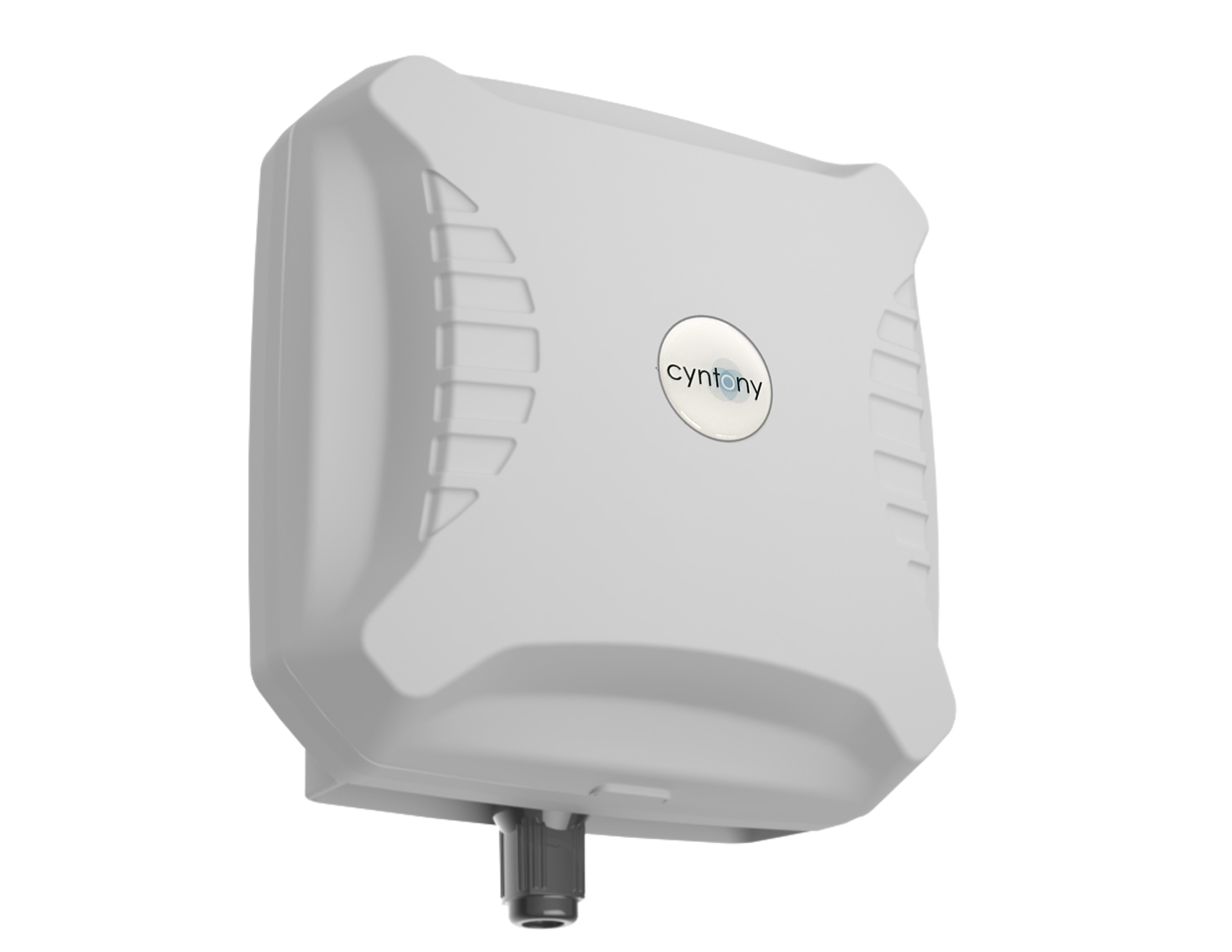
AD-22/H — Tactical Log-Periodic Dipole Antenna
Less than 1 kW
Key specifications
- Gain
- 4 to 8 dB
- Power handling
- Less than 1 kW
- Polarization
- Vertical, Horizontal
Add this product to your quote to get price and delivery information.
Overview
The AD-22/H is a wideband tactical log-periodic dipole antenna (LPDA) covering the 100 to 3000 MHz frequency range. Engineered for rapid field deployment, this directional antenna combines fixed and screw-on dipoles to balance robust structural integrity with transportability.
Technical Summary
- Frequency Range: 100 - 3000 MHz (VHF, UHF, L, and S bands)
- Gain: 7 to 8 dBi
- Power Handling: Up to 500 W CW
- Polarization: Horizontal and Vertical
- Antenna Type: Directional (Tactical LPDA)
Operational Use Cases
This wideband directional antenna supports multiple demanding applications, including tactical communications, signal monitoring, and electronic warfare (jamming). Its directional properties help concentrate RF energy toward intended targets or receivers.
Deployment Environments
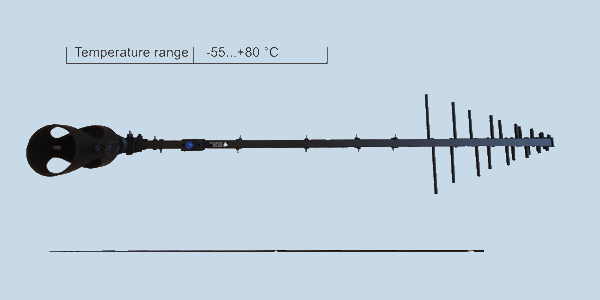
Built for tactical and fixed-site installations, the antenna withstands severe environmental conditions. All metal components are coated in a UV-resistant polyurethane paint, and stainless steel joints resist corrosion, allowing the unit to operate in temperatures ranging from -55 to +80 °C.
Performance Metrics
- Frequency Coverage: Continuous 100 to 3000 MHz operation
- Power Rating: Handles up to 500 W CW
- Gain Performance: 7 - 8 dBi directional gain
Setup & Portability
Designed for quick deployment, the central boom features 12 permanently fixed elements. Only the remaining 8 dipoles require manual screw-on installation prior to mast mounting. A built-in bracket facilitates simple swapping between horizontal and vertical polarization without disassembling the array.
Compatibility
The integrated mounting bracket is compatible with appropriate antenna masts for elevated deployment.
FAQs
What is the primary advantage of a directional log-periodic dipole antenna?
A directional antenna focuses radiated power in a specific direction while significantly reducing emissions elsewhere. This focused coverage enhances signal strength toward intended receivers and aids in signature management against hostile detection.
How does polarization impact communication links?
Polarization defines the orientation of the transmitted electric field. To minimize signal loss and establish a reliable link, transmitting and receiving antennas must be matched in either a horizontal or vertical orientation.
How should mast compatibility be verified prior to installation?
Installers must confirm that the mast safely supports the physical load of the assembled array. Verify the specific mechanical attachment method required by the antenna bracket against the mast interface before elevating the system.
Problems we solve: how do we narrow antenna choices?
Balancing operating bands, coverage needs and mounting space can make antenna selection difficult. Share those constraints with Cyntony to compare candidate antennas and identify what needs manufacturer confirmation (Our process).
Outcomes we deliver: what did Cyntony's tactical-link field test establish?
Cyntony's 2025 XTND-DIRECT field test showed how terrain, antenna height and clearance affected a specific mesh-radio link. The result informs deployment questions; it does not establish range, throughput or suitability for this product (Field-test account).
