XTND™-DIRECT
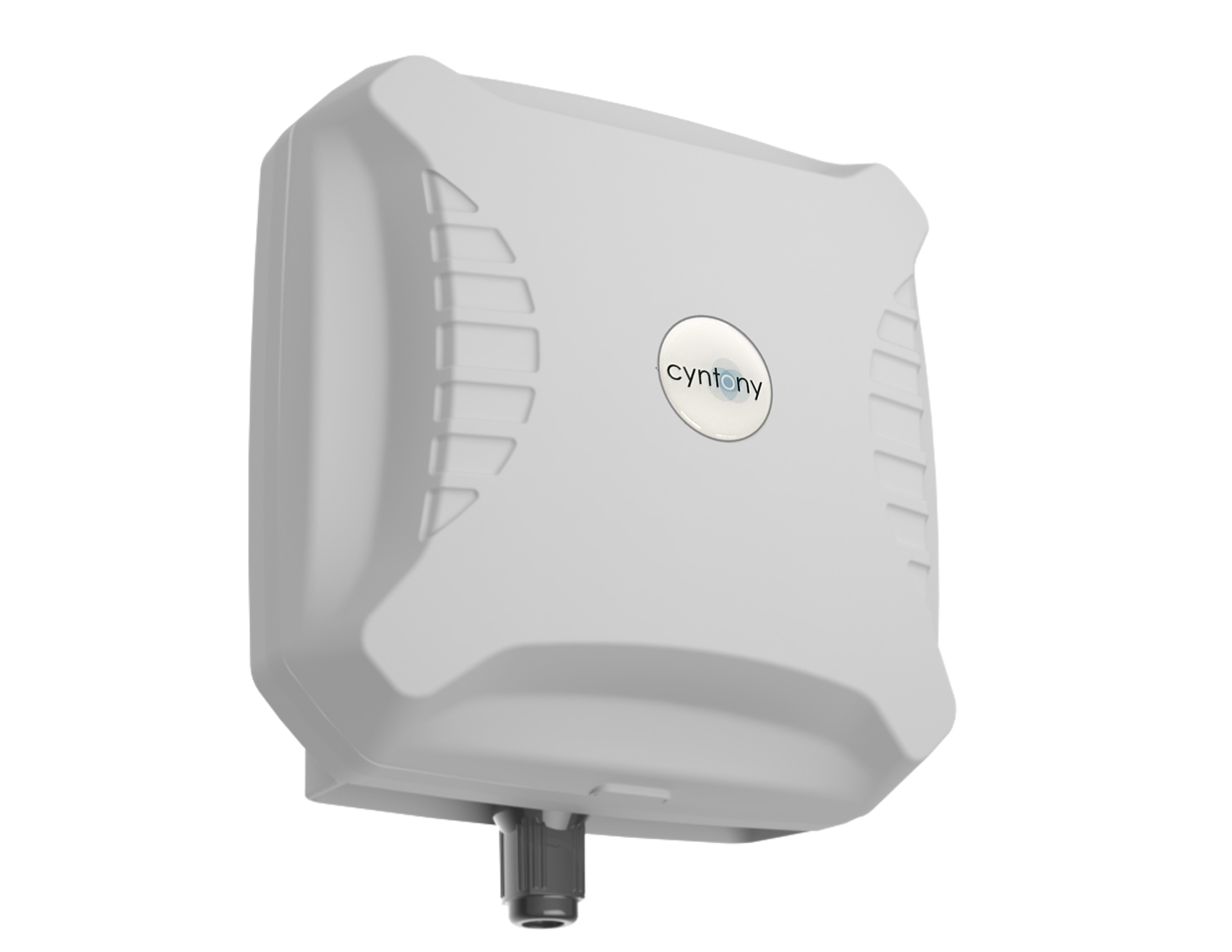
Long-range MANET Basestation
2x2 MIMO Private Networking
Doodle Labs Mesh Rider® Radio
ISM or Helix frequency bands
Easy-to-integrate Data and PoE

Long-range MANET Basestation
2x2 MIMO Private Networking
Doodle Labs Mesh Rider® Radio
ISM or Helix frequency bands
Easy-to-integrate Data and PoE
Download our Antenna Buyer's Guide to discover the essential specs and features to look out for while finding the perfect antenna for your project.
Search with confidence and efficiency.
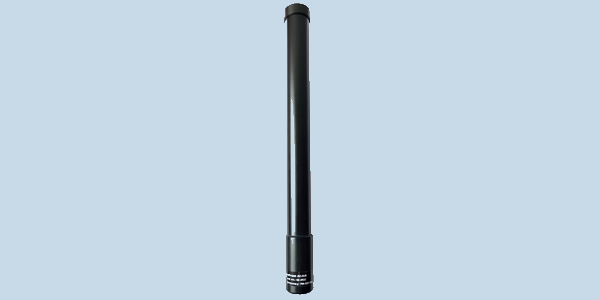
The AD-55/E is a rugged, wideband UHF dipole manpack antenna designed for modern software-defined radios (SDRs), jammers, and scanners. Featuring a sleeve dipole center-fed architecture, it operates effectively without requiring a ground plane, ensuring reliable tactical performance.
This antenna is engineered for tactical communication, signal monitoring, and jamming applications. Its wideband coverage and high power handling make it ideal for integration with broadband SDRs and high-power portable RF electronic systems.
Enclosed in a robust fiberglass radome, the antenna meets MIL-STD-810G standards and is explicitly built to withstand the harshest military and field environments.
The antenna delivers a gain of +2 to +4 dBi across the 700 to 920 MHz frequency band. It supports a maximum continuous wave (CW) power handling of 200 watts while maintaining a typical VSWR of less than 2:1.
Designed for manpack platforms, the center-fed sleeve dipole construction enables immediate operation without a ground plane, facilitating rapid deployment and mobility for dismounted personnel.
Designed for use with modern broadband software-defined radios, jammers, and scanners operating within the 700-920 MHz band. Verify the specific RF connector interface and physical mounting requirements with the manufacturer prior to deployment.
HOW TO BUY
To obtain price and delivery information about this product, click the button below.


