XTND™-DIRECT
Long-range MANET Basestation
2x2 MIMO Private Networking
Doodle Labs Mesh Rider® Radio
ISM or Helix frequency bands
Easy-to-integrate Data and PoE

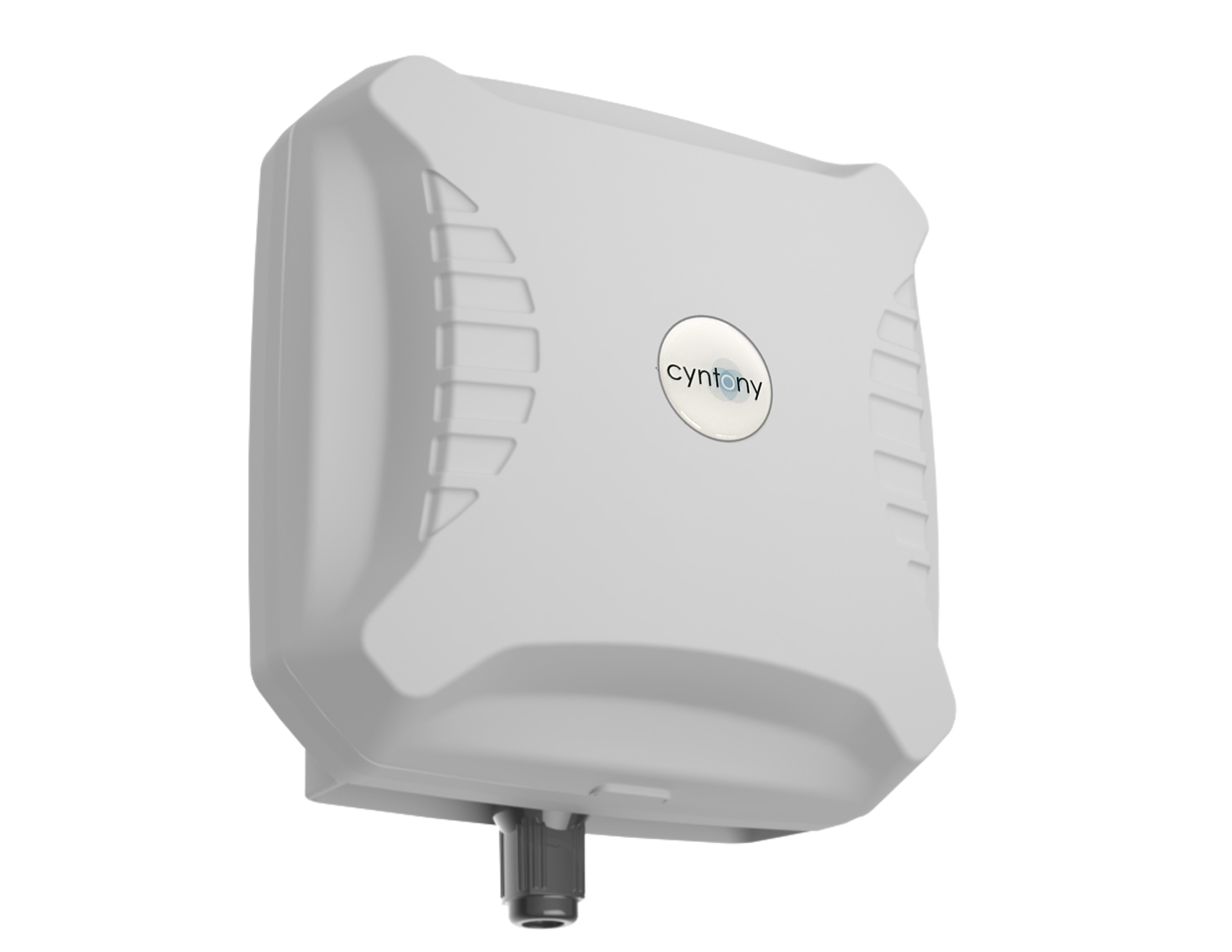
Long-range MANET Basestation
2x2 MIMO Private Networking
Doodle Labs Mesh Rider® Radio
ISM or Helix frequency bands
Easy-to-integrate Data and PoE
Download our Antenna Buyer's Guide to discover the essential specs and features to look out for while finding the perfect antenna for your project.
Search with confidence and efficiency.

The AD-55/K is a rugged, wideband sleeve dipole antenna designed for modern broadband software-defined radios (SDR), jammers, and scanners. Covering the 120 to 320 MHz frequency range, its center-fed design allows effective operation without requiring a ground plane in harsh military environments.
Optimized for tactical communication, signal monitoring, and electronic warfare applications such as jamming. It is specifically intended for integration with broadband software-defined radios and RF scanning equipment.
Engineered for tactical platforms and harsh military environments. The fully enclosed fiberglass construction is built to meet MIL-STD-810G environmental standards.
The center-fed sleeve dipole architecture inherently eliminates the requirement for a physical ground plane, greatly simplifying placement on various platforms. Verify exact mounting hardware requirements and attachment methods directly with the datasheet.
Designed to interface with SDRs, RF jammers, and scanners utilizing an N-Type RF connection. Operates across standard VHF and UHF military bands.
Note for video creation: Consider a short technical walkthrough showing the physical scale of the fiberglass radome and the N-Type male connector interface to help engineers visualize tactical integration.
HOW TO BUY
To obtain price and delivery information about this product, click the button below.


